GamificationSummit Ticket Sales Effectiveness Explained
In today’s competitive event industry, organizers are constantly searching for innovative ways to attract attendees and increase conversions. One powerful strategy that has gained global attention is gamification. When applied correctly, gamification transforms passive audiences into active participants and buyers. This is where gamificationsummit ticket sales effectiveness becomes a critical discussion point for event planners, marketers, and business leaders.
Rather than relying solely on discounts or paid ads, modern summits now use interactive experiences, rewards, and behavioral triggers to drive purchases. Understanding gamificationsummit ticket sales effectiveness helps organizers create smarter campaigns that not only sell tickets but also build long-term brand loyalty.
Understanding Gamification in the Event Industry
What Gamification Really Means
Gamification refers to the application of game-like elements such as points, levels, challenges, and rewards in non-game environments. In the context of events, it encourages participation and emotional investment from potential attendees.
These elements appeal to basic human best online gaming guide feedgamebuzz psychology, including motivation, achievement, and competition. When people feel rewarded for interacting with an event brand, they are more likely to move from interest to purchase.
Why Events Are Ideal for Gamification
Events naturally create urgency, excitement, and community. Adding gamified mechanics enhances these emotions. For example, leaderboards for early registrations or challenges that unlock ticket discounts can significantly influence buyer behavior and overall gamificationsummit ticket sales effectiveness.
The Psychology Behind Gamified Ticket Purchases
Motivation and Reward Systems
Human behavior is strongly influenced by incentives. Gamification taps into intrinsic and extrinsic motivation by offering rewards such as exclusive access, recognition, or tangible benefits. These rewards create a sense of achievement that traditional marketing lacks.
When attendees feel they “earned” their ticket rather than simply bought it, the perceived value increases. This psychological shift directly improves gamificationsummit ticket sales effectiveness.
Fear of Missing Out (FOMO)
Gamified campaigns often use limited-time challenges or exclusive tiers. This creates urgency and fear of missing out, encouraging faster decision-making. Time-based missions or countdown rewards push users toward immediate action instead of delaying purchases.
Designing Gamified Ticket Funnels
Entry-Level Engagement
The first step is attracting attention through simple interactions. This may include quizzes, polls, or social challenges that introduce users to the event. These low-effort actions reduce resistance and warm up potential buyers.
Once engaged, users are more receptive to ticket offers, increasing overall gamificationsummit ticket sales effectiveness without aggressive selling.
Progressive Commitment
Gamified funnels work best when they gradually increase commitment. After initial engagement, users may unlock bonuses, referral rewards, or early-bird access. Each step strengthens emotional investment and reduces drop-off rates.
Role of Data and Analytics in Gamification
Tracking User Behavior
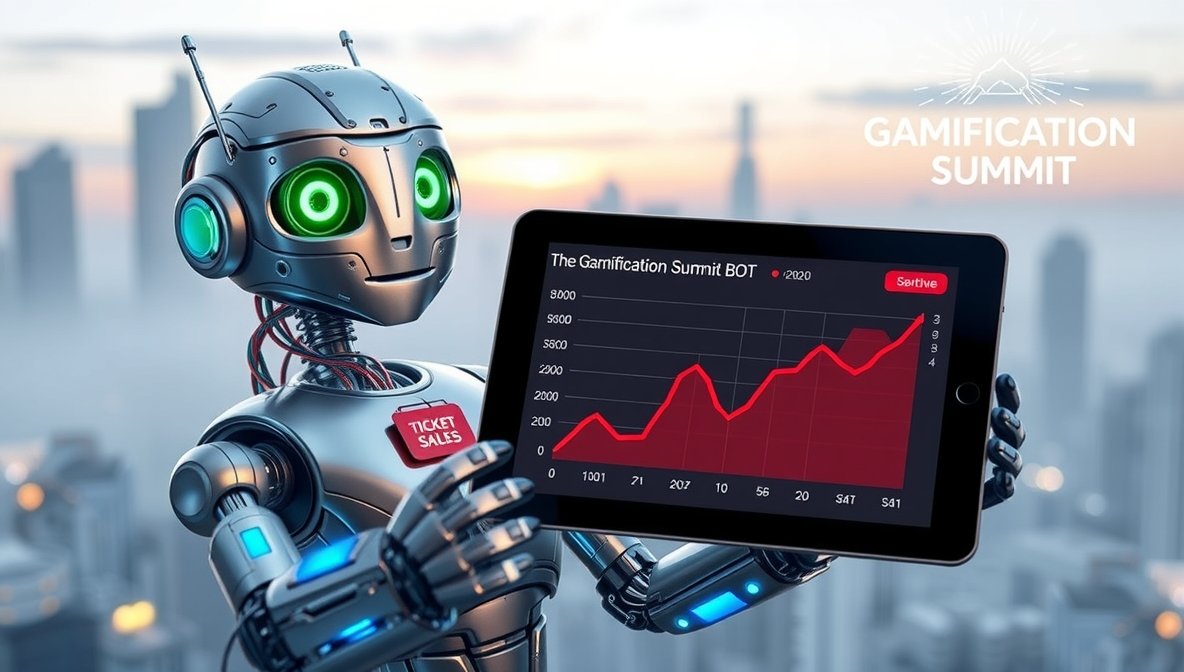
Every gamified interaction generates valuable data. Tracking clicks, challenge completions, and reward redemptions allows organizers to understand what motivates their audience.
By analyzing this data, marketers can refine campaigns in real time and improve gamificationsummit ticket sales effectiveness through informed decisions rather than guesswork.
Personalization Through Insights
Data enables personalization. Users can receive customized challenges or offers based on their behavior. Personalized gamification feels more relevant, increasing engagement and conversion rates across different audience segments.
Social Proof and Community-Driven Sales
Leaderboards and Public Recognition
Public leaderboards showcase top participants, encouraging friendly competition. Recognition motivates users to engage more actively and promotes organic sharing on social platforms.
This visibility amplifies reach and strengthens gamificationsummit ticket sales effectiveness by turning participants into promoters.
Referral-Based Gamification
Referral challenges reward users for inviting others. This expands reach while maintaining trust, as people are more likely to act on recommendations from peers than advertisements.
Integrating Gamification With Marketing Channels
Integrating gamification with marketing channels means ensuring that game-based elements are not working in isolation but are connected with the platforms your audience already uses daily. When gamification is aligned with email, social media, and other marketing channels, it creates a seamless experience for users. Instead of feeling like a separate campaign, gamification becomes part of the customer journey.
This integration is important because people interact with brands across multiple touchpoints. If gamification exists only on one platform, engagement can drop quickly. However, when users see consistent progress, rewards, and reminders across channels, motivation remains high. This multi-channel presence strengthens brand recall and encourages users to stay involved until they complete the ticket purchase, which directly supports gamificationsummit ticket sales effectiveness.
Email and Automation
Email and automation play a crucial role in sustaining engagement over time. Gamified elements can be embedded into email campaigns in ways that feel natural rather than promotional. For example, users can receive emails showing their progress in a challenge, reminding them how close they are to unlocking a reward, or notifying them about limited-time bonuses.
Automation ensures that these messages are sent at the right moment without manual effort. A user who completes a task can automatically receive a congratulatory email, while someone who becomes inactive can receive a gentle reminder. These automated touchpoints keep the event present in the user’s mind without overwhelming them.
Because emails are personalized and timely, users feel acknowledged rather than targeted. This emotional connection helps maintain momentum throughout the buying journey. When done correctly, automated email gamification supports consistent engagement and significantly improves gamificationsummit ticket sales effectiveness by reducing drop-offs and encouraging completion of the purchase process.
Social Media Synergy
Social media acts as a powerful amplifier for gamification because it thrives on interaction, sharing, and visibility. When gamified challenges are designed for social participation, users naturally spread awareness by posting progress, achievements, or invitations to friends. This creates organic reach that paid advertising alone cannot achieve.
For example, a challenge that rewards users for sharing event-related content or tagging friends encourages participation while promoting the event to new audiences. Social validation, such as likes and comments, further motivates users to continue engaging. This sense of public recognition increases excitement and emotional investment.
By reducing reliance on paid ads and leveraging user-generated promotion, social media synergy strengthens campaign performance. As more people join through social sharing, engagement increases, costs decrease, and gamificationsummit ticket sales effectiveness improves through authentic audience-driven growth.
Common Mistakes to Avoid in Gamified Sales
While gamification offers many benefits, mistakes in design or execution can significantly reduce its impact. Understanding common pitfalls helps organizers avoid wasted effort and poor results.
Overcomplicating the Experience
One of the most common mistakes is making gamification too complex. When users are faced with too many rules, steps, or confusing mechanics, they lose interest quickly. Gamification should feel fun and intuitive, not like a task that requires effort to understand.
Simple mechanics such as point collection, progress bars, or single challenges are often more effective than multi-layered systems. Users should immediately understand what they need to do and what they will gain. If confusion replaces enjoyment, engagement drops, participation declines, and conversions suffer.
When simplicity is ignored, gamificationsummit ticket sales effectiveness decreases because users disengage before completing the journey. Clear design and straightforward rewards are essential for success.
Ignoring Audience Preferences
Not every audience is motivated by the same incentives. Some users respond well to discounts, while others value recognition, exclusivity, or learning opportunities. A major mistake is assuming one gamification strategy fits all demographics.
For example, professionals attending a business summit may value exclusive content or networking access more than small discounts. Younger audiences might respond better to competition and public recognition. Ignoring these preferences leads to weak engagement and low participation.
Understanding audience motivation through research and data is essential. Tailoring gamification to match user expectations ensures relevance and impact. When audience preferences are respected, gamificationsummit ticket sales effectiveness improves naturally through stronger emotional connection.
Measuring Long-Term Impact Beyond Ticket Sales
Gamification should not be judged only by immediate ticket revenue. Its real value lies in long-term engagement, loyalty, and brand growth.
Brand Loyalty and Retention
Gamification does not end once a ticket is purchased. Post-purchase engagement such as exclusive challenges, early access to content, or recognition keeps attendees emotionally connected to the event brand. This continued interaction makes users feel valued beyond their transaction.
When attendees feel appreciated, they are more likely to return for future events and recommend the experience to others. Over time, this loyalty reduces marketing costs and increases lifetime value. Long-term engagement plays a key role in sustaining gamificationsummit ticket sales effectiveness for future editions.
Community Building
Successful gamification transforms attendees into a community rather than a one-time audience. Shared challenges, discussions, and achievements create a sense of belonging. This community becomes self-sustaining, with members encouraging each other to participate and attend future events.
Communities generate repeat buyers, advocates, and organic promotion. Instead of constantly acquiring new audiences, organizers benefit from a loyal base that grows over time. This community-driven approach strengthens long-term gamificationsummit ticket sales effectiveness and brand credibility.
Scaling Gamification for Large Events
As events grow, gamification must scale without losing quality or consistency. Proper systems and planning are essential for handling increased participation.
Automation and Platforms
For large-scale events, manual management of gamification is not practical. Automation platforms help manage challenges, rewards, and analytics efficiently. These tools ensure that every participant receives timely feedback and recognition without increasing workload.
Automated systems also provide real-time data, allowing organizers to monitor engagement and adjust strategies quickly. With scalable technology, campaigns remain consistent and effective even with thousands of users. This scalability ensures stable gamificationsummit ticket sales effectiveness regardless of event size.
Cross-Event Gamification
Gamification can extend beyond a single event by rewarding long-term participation across multiple events. Attendees earn recognition or benefits for repeated engagement, encouraging them to return year after year.
This approach builds stronger brand identity and long-term loyalty. When users feel invested in an ongoing journey rather than a one-time experience, engagement deepens. Cross-event gamification strengthens gamificationsummit ticket sales effectiveness by turning attendees into long-term supporters.
FAQs
What is gamification in event marketing?
Gamification in event marketing uses game-like elements such as rewards, challenges, and progress tracking to increase engagement and influence purchasing behavior.
Does gamification really increase ticket sales?
Yes, when designed correctly, it improves engagement, urgency, and emotional investment, leading to higher conversion rates.
Is gamification suitable for all event types?
Most events benefit from gamification, but strategies should be tailored to audience demographics, goals, and event type.
Can small events use gamification effectively?
Absolutely. Even simple reward systems and challenges can significantly improve engagement and sales.
How long should a gamified campaign run?
Ideally, it should run throughout the entire sales cycle, from awareness to post-purchase engagement.
Conclusion
Gamification is no longer an experimental tactic—it is a proven strategy for modern event marketing. By leveraging psychology, data, and interactive design, organizers can create engaging experiences that drive real business results. When executed strategically, gamificationsummit ticket sales effectiveness improves not only immediate revenue but also long-term brand value and audience loyalty.