Gamificationsummit Ticket Sale Effectiveness: How Gamification Drives Higher Conversions
In the modern landscape of professional conferences and business summits, the importance of maximizing attendee engagement and revenue cannot be overstated. For organizers, understanding the dynamics of ticket sales is crucial to the overall success of an event. Among the numerous conferences held annually, gamification-focused summits have grown in popularity, reflecting the increasing interest in the integration of game mechanics into business, education, and customer engagement strategies. One of the most discussed topics among event planners and industry observers is the gamificationsummit ticket sale effectiveness. Understanding how ticket sales perform, which marketing strategies yield the best results, and how to optimize attendee acquisition are central concerns for anyone involved in summit planning.
The rise of digital tools and analytics platforms has provided unprecedented insight into ticket sales patterns, conversion rates, and marketing ROI. Yet, despite these resources, the challenge of ensuring that ticket sales are both robust and efficient remains. Gamification summits, in particular, pose unique challenges and opportunities due to their target audiences, content-driven appeal, and reliance on community-driven networks. The anticipation and planning required to achieve optimal ticket sale effectiveness are critical in transforming a well-intentioned event into a highly impactful gathering.
Understanding Ticket Sale Dynamics
At its core, ticket sale effectiveness is a measure of how efficiently an event converts marketing efforts into paid registrations. For gamification summits, this effectiveness is often influenced by the perceived value of the event, the credibility of speakers, and the appeal of networking opportunities. Organizers must consider not only the number of tickets sold but also the timing, distribution channels, and attendee demographics. website for ticket sales gamificationsummit
Ticket sales are rarely uniform throughout a sales cycle. Early-bird promotions often generate initial momentum, while standard pricing phases sustain ongoing registrations. Late-stage purchases can spike close to the event date, especially if scarcity tactics or limited seat availability are leveraged. Analyzing these trends provides actionable insight into improving gamificationsummit ticket sale effectiveness.
Consumer behavior is central to ticket sale strategies. Attendees are more likely to purchase tickets when they perceive urgency, exclusivity, or additional benefits such as access to workshops, networking sessions, or premium content. Tailoring messaging to highlight these value propositions can significantly enhance conversion rates.
Key Factors Influencing Ticket Sale Effectiveness

Several variables directly impact the success of ticket sales. Understanding these factors is essential for organizers aiming to maximize both revenue and engagement.
- Event Content and Speaker Lineup
High-quality speakers and relevant, timely content are major drivers for summit attendance. Industry thought leaders, practical workshops, and unique learning experiences make the event more appealing. Highlighting notable contributors early in marketing campaigns can accelerate ticket purchases, improving gamificationsummit ticket sale effectiveness. - Pricing Strategy
Pricing tiers, early-bird discounts, and VIP packages can influence the perceived value and accessibility of the event. Carefully structured pricing encourages early commitments and maintains sustained interest. - Marketing and Communication Channels
A multi-channel approach often yields the best results. Email campaigns, social media promotion, influencer collaborations, and partnerships with professional organizations can expand reach. Tracking the performance of each channel allows organizers to adjust strategies for optimal gamificationsummit ticket sale effectiveness. - Event Branding and Reputation
Brand perception plays a critical role in decision-making. Strong branding, positive reviews from previous attendees, and endorsements from credible organizations enhance trust and appeal. - Timing and Market Conditions
Scheduling the summit to avoid conflicts with competing events and considering seasonal buying behavior can improve ticket uptake. Awareness of broader economic conditions and market trends also informs promotional tactics.
Marketing Strategies to Boost Ticket Sales
Effective marketing is integral to any summit’s success. For gamification events, strategies must align with audience expectations and behavior.
- Content Marketing
Publishing high-value content such as blogs, whitepapers, and videos on topics relevant to gamification builds authority and generates interest. Demonstrating thought leadership encourages potential attendees to invest in tickets. - Early-Bird Promotions
Offering discounted rates for early registrants creates urgency and initial momentum. Highlighting limited-time offers can reinforce scarcity and boost early conversions. - Referral and Affiliate Programs
Incentivizing current registrants to bring peers or colleagues encourages organic growth and expands reach. Referral programs often improve gamificationsummit ticket sale effectiveness by leveraging existing networks. - Influencer and Partner Collaboration
Collaborations with industry influencers and organizations expand the summit’s visibility. Endorsements from trusted voices increase credibility and can significantly impact purchase decisions. - Email Campaigns and Retargeting
Personalized email campaigns and retargeting ads help maintain engagement with interested prospects. Timely reminders, updates, and exclusive offers encourage conversions.
Psychological Principles in Ticket Sale Optimization
Behavioral psychology can be leveraged to enhance ticket sales. Understanding how potential attendees perceive value, scarcity, and social proof can inform strategic marketing.
- Scarcity and Urgency: Highlighting limited availability or deadlines encourages immediate action.
- Social Proof: Testimonials, reviews, and endorsements from past attendees provide credibility.
- Loss Aversion: Framing messages around what attendees might miss out on creates a compelling incentive to act.
- Reciprocity: Offering valuable pre-event content, such as free webinars or guides, can make potential attendees more willing to invest in a ticket.
Integrating these principles into marketing strategies improves the overall gamificationsummit ticket sale effectiveness, increasing both conversion rates and revenue.
Leveraging Technology for Ticket Sales
Modern technology has transformed how events are marketed, registered, and managed. Several tools are especially effective for enhancing ticket sale outcomes.
- Analytics Platforms
Advanced analytics help organizers track registration patterns, campaign effectiveness, and demographic data. Insights derived from analytics allow targeted adjustments to optimize sales. - CRM Integration
Customer relationship management tools streamline communication with attendees, segment audiences, and track engagement over time. - Automated Email Workflows
Automated campaigns maintain consistent engagement, nurture leads, and encourage ticket purchases without requiring manual follow-up. - Dynamic Pricing and Promotions
Technology can implement real-time pricing adjustments based on demand, maximizing revenue and gamificationsummit ticket sale effectiveness. - Gamification Techniques
Ironically, incorporating game mechanics into the ticketing process itself—such as point accumulation, badges, or early access rewards—can enhance user engagement and drive conversions.
Case Studies of Successful Summits
Examining successful gamification-focused events offers practical lessons in ticket sale effectiveness.
Case Study 1: Global Gamification Expo
This summit leveraged early-bird discounts, high-profile speakers, and content marketing campaigns. By monitoring analytics and adjusting marketing tactics weekly, they achieved record attendance and robust revenue, highlighting how strategic planning improves gamificationsummit ticket sale effectiveness.
Case Study 2: Interactive Learning Conference
Focusing on educational gamification, the organizers integrated referral programs and influencer partnerships. Social proof through testimonials and video highlights from prior events boosted credibility, demonstrating the power of multi-channel, psychology-informed approaches.
Case Study 3: Corporate Gamification Summit
Targeting enterprise clients, this summit used CRM segmentation to personalize offers and retarget prospects. Automation and dynamic pricing ensured tickets sold efficiently, with a clear increase in early-bird registrations.
These examples underscore that combining marketing strategy, psychology, technology, and event design is key to maximizing ticket sales.
Measuring and Improving Ticket Sale Effectiveness
To ensure ongoing success, organizers must measure the effectiveness of their ticketing strategies. Key performance indicators (KPIs) include:
- Conversion rates from website visits to ticket purchases.
- Revenue per marketing channel.
- Average purchase timing (early-bird vs. last-minute).
- Engagement metrics such as email opens, clicks, and social media shares.
Continuous evaluation allows event planners to make data-driven decisions, improving gamificationsummit ticket sale effectiveness over time. Adjustments might include optimizing messaging, refining pricing tiers, or reallocating marketing budgets to higher-performing channels.
Attendee Experience and Retention
Ticket sale effectiveness is not just about revenue—it also relates to attendee satisfaction. Offering clear value, seamless registration, and high-quality experiences encourages early purchase behavior and builds long-term loyalty.
Enhancing attendee experience can include:
- Easy-to-use registration platforms.
- Transparent pricing and tier options.
- Pre-event engagement, such as webinars or discussion groups.
- Post-event content and networking opportunities.
When attendees feel valued, they are more likely to register early for future summits, reinforcing long-term gamificationsummit ticket sale effectiveness.
Emerging Trends in Event Marketing
The events industry is constantly evolving, and understanding trends helps organizers stay ahead:
- Virtual and Hybrid Summits
Incorporating online attendance options expands reach and diversifies ticketing strategies. - Personalization
Tailored content recommendations, session tracks, and messaging enhance perceived value. - Data-Driven Marketing
Advanced segmentation and predictive analytics allow precise targeting and improved ROI. - Gamified Engagement
Reward systems, interactive challenges, and achievement badges can be extended from event content to the ticketing process itself. - Sustainability and Social Responsibility
Demonstrating ethical practices and environmental responsibility increasingly influences purchase decisions.
Staying aligned with these trends can improve both ticket sales and overall attendee satisfaction.
Strategic Planning for Maximum Impact
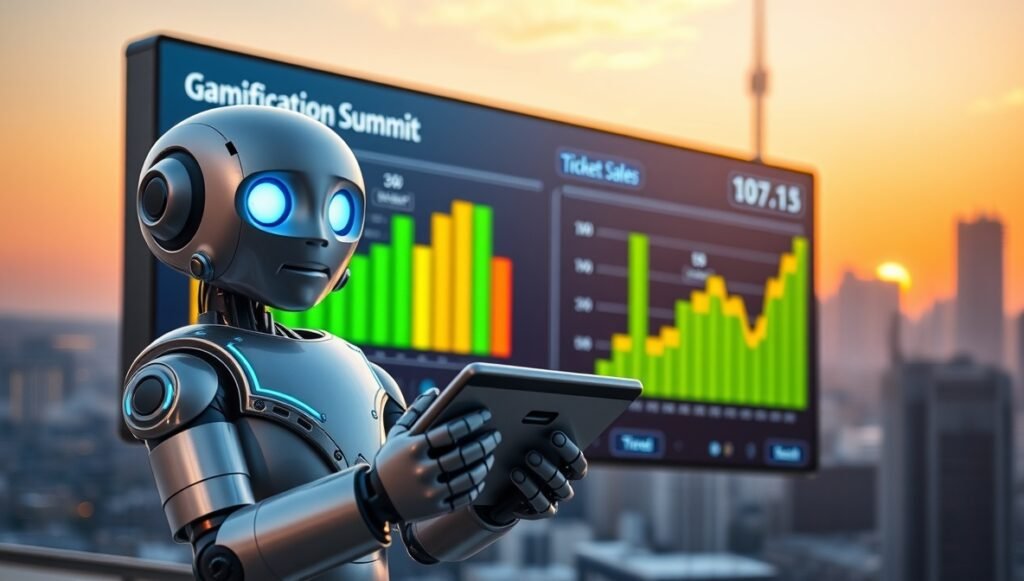
Effective event planning requires integrating all components into a cohesive strategy:
- Define Goals: Determine attendance targets, revenue objectives, and engagement metrics.
- Audience Research: Identify attendee personas, preferences, and purchasing behavior.
- Marketing Mix: Optimize the combination of channels, messaging, and promotions.
- Performance Tracking: Continuously monitor KPIs and adjust tactics.
- Post-Event Analysis: Use insights to inform future summits and refine gamificationsummit ticket sale effectiveness strategies.
Strategic planning ensures that ticket sales are optimized not by chance but through deliberate, informed action.
Challenges and Solutions
While strategies exist to maximize ticket sale effectiveness, organizers face challenges:
- Market Saturation: Numerous events may compete for the same audience. Differentiation is key.
- Economic Fluctuations: Pricing strategies must adapt to changing financial conditions.
- Technological Limitations: Ensuring seamless registration and secure payment systems is critical.
- Audience Engagement: Maintaining interest from announcement to event day requires ongoing communication and value delivery.
Addressing these challenges directly improves overall outcomes and reinforces gamificationsummit ticket sale effectiveness.
Conclusion
Maximizing gamificationsummit ticket sale effectiveness requires a multifaceted approach that combines marketing strategy, behavioral psychology, technology, event design, and continuous evaluation. Understanding audience behavior, leveraging multi-channel campaigns, and incorporating innovative engagement techniques are essential to ensuring that ticket sales reach their full potential. By learning from successful case studies, monitoring key performance indicators, and staying ahead of emerging trends, organizers can optimize their events to deliver exceptional value, both financially and experientially. Ultimately, achieving ticket sale effectiveness is not merely about filling seats—it is about creating a compelling, engaging, and memorable event that resonates with attendees and strengthens the summit’s long-term reputation and success.